Main image: AI illustration.
A bottle arrives at the table, label up, and everyone waits for someone else to read it first.
Learning how to read a French wine label ends that wait: four lines on the label answer the questions that matter.
Place first, maker second, year third, contents last: that order never changes, whatever the bottle costs.
No French needed: the label speaks in place names, and place names need no translation.
Alcohol abuse is dangerous for your health. Drink in moderation.
The Label in Sixty Seconds
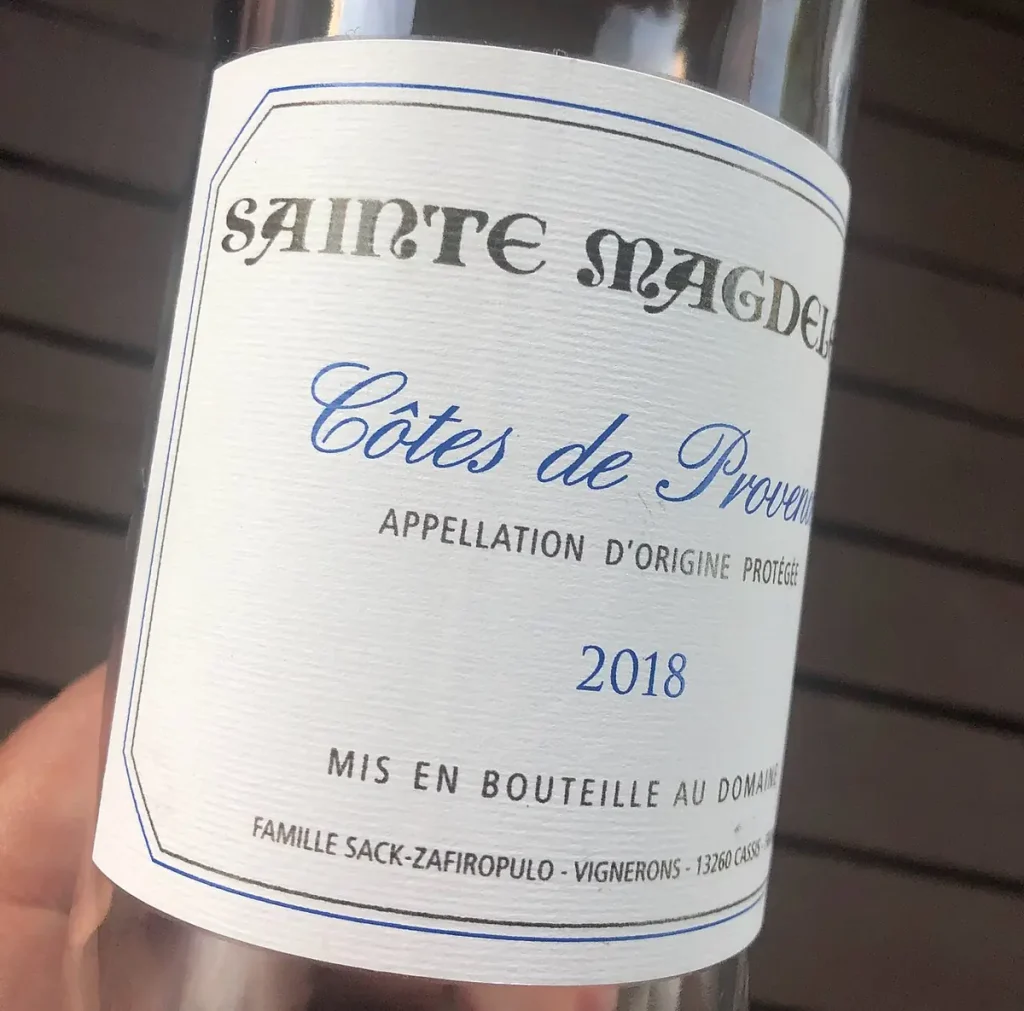
- Appellation: the place and its rules, printed largest after the name.
- Producer: the name of the estate or merchant who made it.
- Vintage: the year the grapes were picked, not the year it was bottled.
- Alcohol and volume: the strength and the size, printed small at the edge.
Start With the Place, Not the Picture
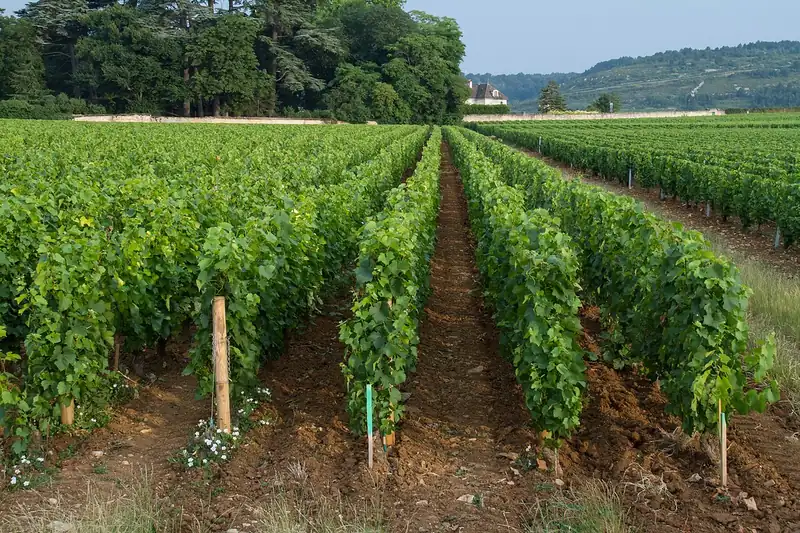
French wine law starts from the ground: a wine belongs to a place before it belongs to a brand.
That place, the terroir, covers soil, slope, climate, and the local way of working them (INAO, 2026).
A label that names a place promises the wine was made there, under rules written for that place (INAO, 2026).
Pictures, gold foil, and old-looking crests promise nothing: the appellation line is the only promise on the bottle.
Burgundy shows the system at its finest: village names matter as much as regional ones.
Terroir is the French word for it, and no English word carries the same weight.
AOC, AOP, IGP, Vin de France: The Three Tiers
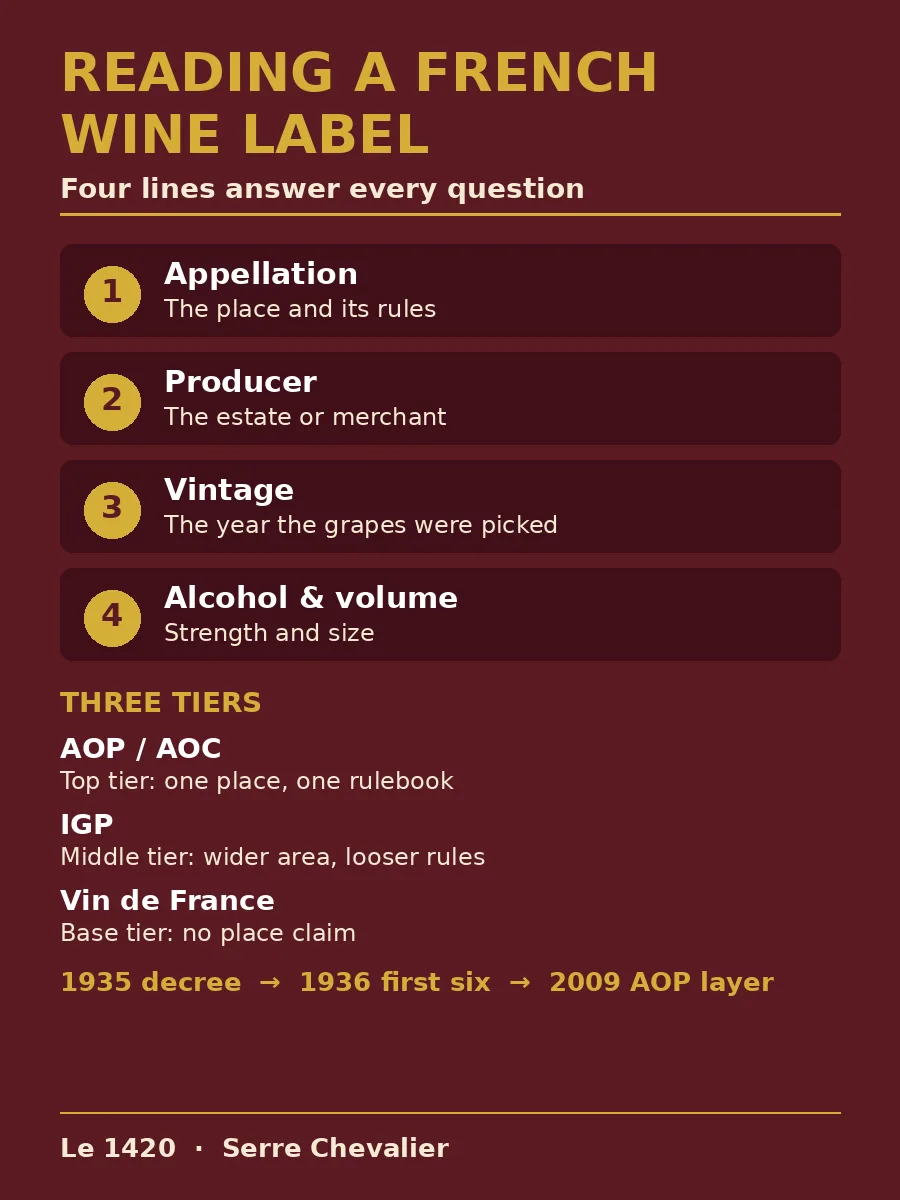
France sorts its wine into three tiers, and the label shows which tier a bottle sits in (INAO, 2026).
| Tier | What it means | What it guarantees |
|---|---|---|
| AOP / AOC | Top tier: one place, one rulebook | Every step follows local know-how in one area |
| IGP | Middle tier: a wider area, looser rules | Grapes mostly from the named area |
| Vin de France | Base tier: no place claim | The wine is French, and little else is promised |
In 2023, France counted 366 wines under AOP or AOC and 77 under IGP (INAO, 2026).
AOC wine made up 47% of French production in 2018 (Wikipedia, 2026).
Choose AOP when the place matters most to you; choose IGP when the grape or the price matters more.
Vin de France suits a table wine: French, honest, and free of place promises.
IGP wines carry names like Pays d’Oc, a wide area with room for many grapes.
On most bottles the appellation sits large and central, where the eye lands first.
The Four Lines That Matter
Every French label carries four lines that matter, in the same order on every bottle, whatever the price.
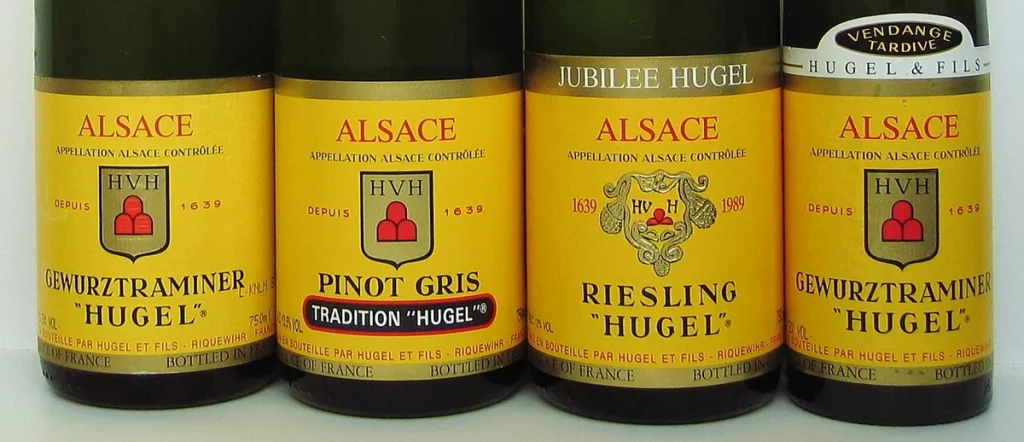
First comes the appellation: the place name, written larger than anything except the brand.
Second comes the producer: the estate or merchant behind the wine.
Third comes the vintage, the millésime: the year the grapes were picked, not the year of bottling.
Fourth come alcohol and volume: the strength in percent and the size, usually 75 centilitres.
Strengths run from light to strong, and the number on the label settles the question.
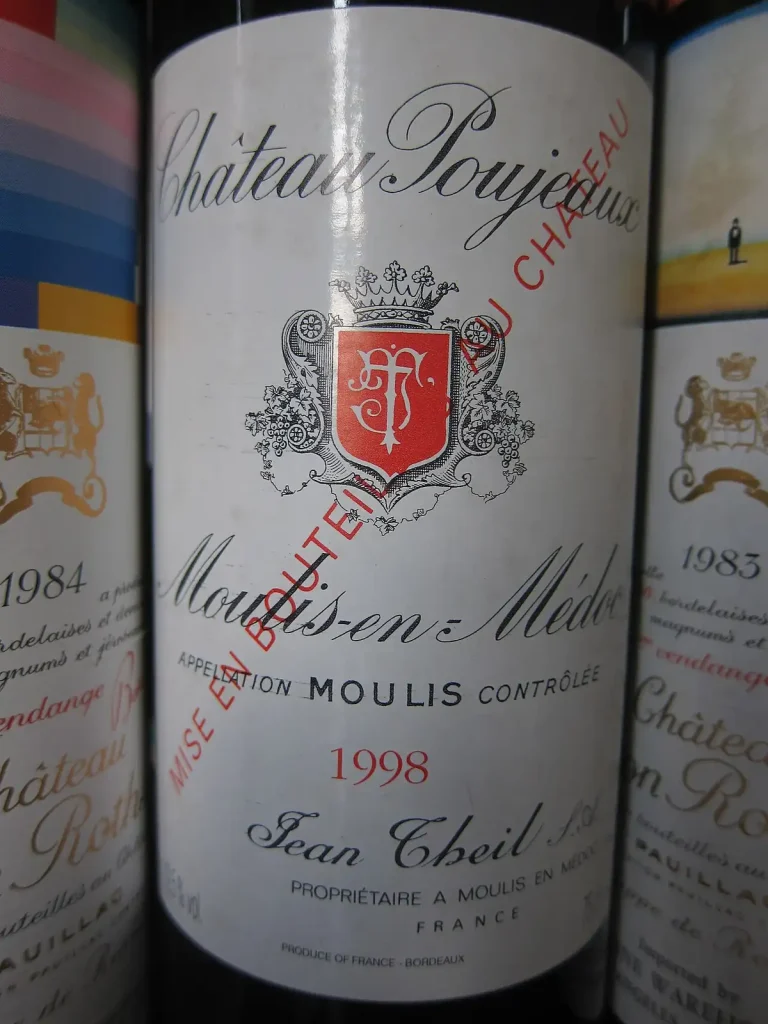
“Mis en bouteille au château” means bottled at the estate; “mis en bouteille” alone means bottled elsewhere.
Read those four lines before the artwork, and the bottle stops being a gamble.
A Short History on the Back of the Bottle
Crisis forced the system into being: growers needed a law that protected honest place names (Wikipedia, 2026).
On 30 July 1935, a decree-law created the appellations and the committee that became the INAO (Wikipedia, 2026).
The first six appellations followed on 15 May 1936: Arbois, Cassis, Cognac, Châteauneuf-du-Pape, Monbazillac, and Tavel (INAO, 2026).
Europe added its own layer later, when AOC became AOP at European level while France kept the old letters (INAO, 2026).
Only wine keeps the right to print AOC today; other products use AOP alone (INAO, 2026).
Cognac sat among the first six, a reminder that the system once covered spirits too.
Baron Pierre Le Roy de Boiseaumarié chaired the INAO for twenty years, from 1947 to 1967 (INAO, 2026).
The Back Label: What the Small Print Adds
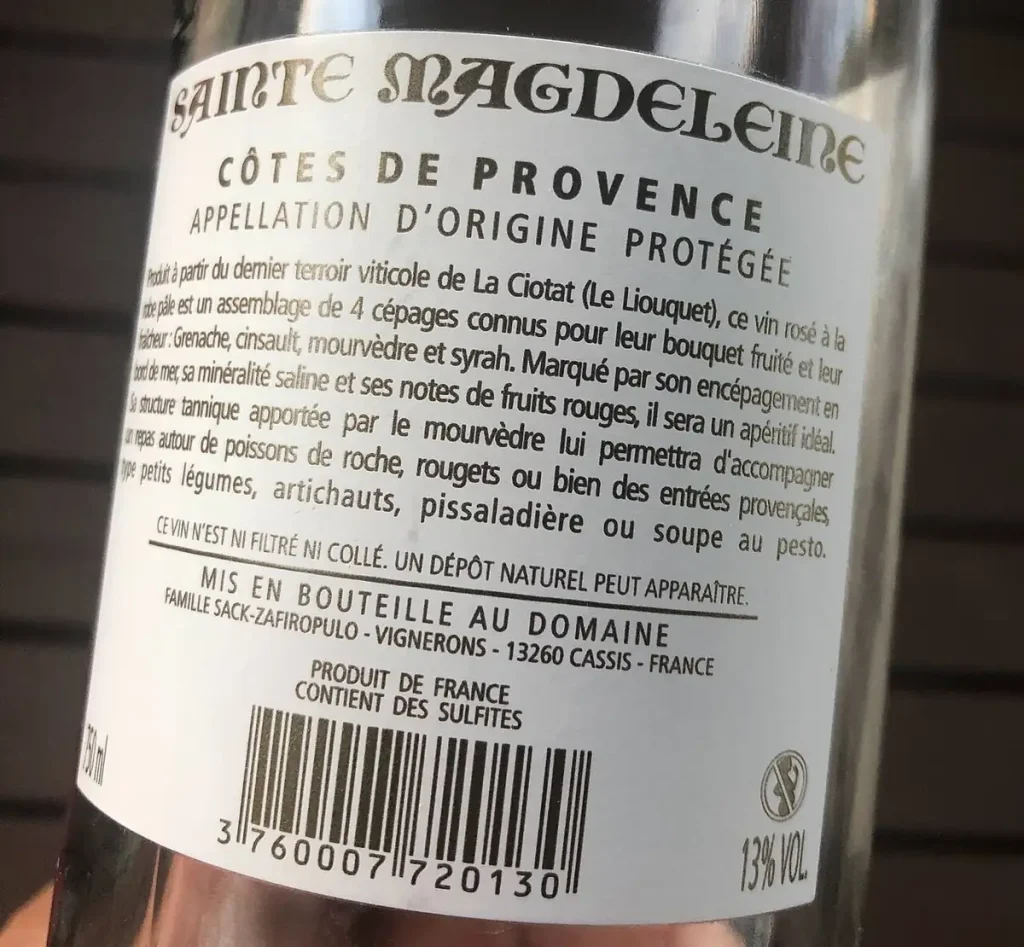
Front labels sell; back labels inform: importer, allergens, and lot numbers live on the back.
‘Contains sulfites’ appears on most bottles, a legal note rather than a warning about quality.
‘Product of France’ states the country of origin, and the lot number traces the bottle to its bottling.
Lot numbers matter after a recall, and the back label is where they live.
Rosé and White Play by the Same Rules
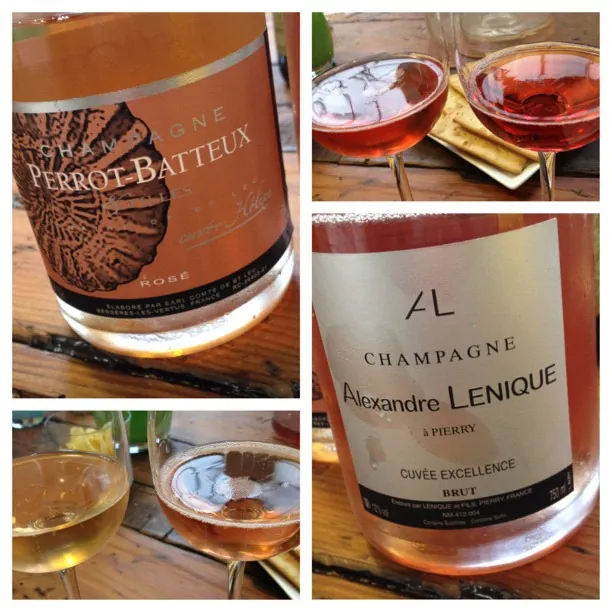
White and rosé play by the same rules: the same four lines, in the same order.
Carte pages for white and rosé sat beside the reds, under the same regional headings (1420 carte, 2014).
Colour changes nothing on the label: a rosé from Provence reads like a red from Bordeaux.
The Producer Line: Estate, Château, or Merchant
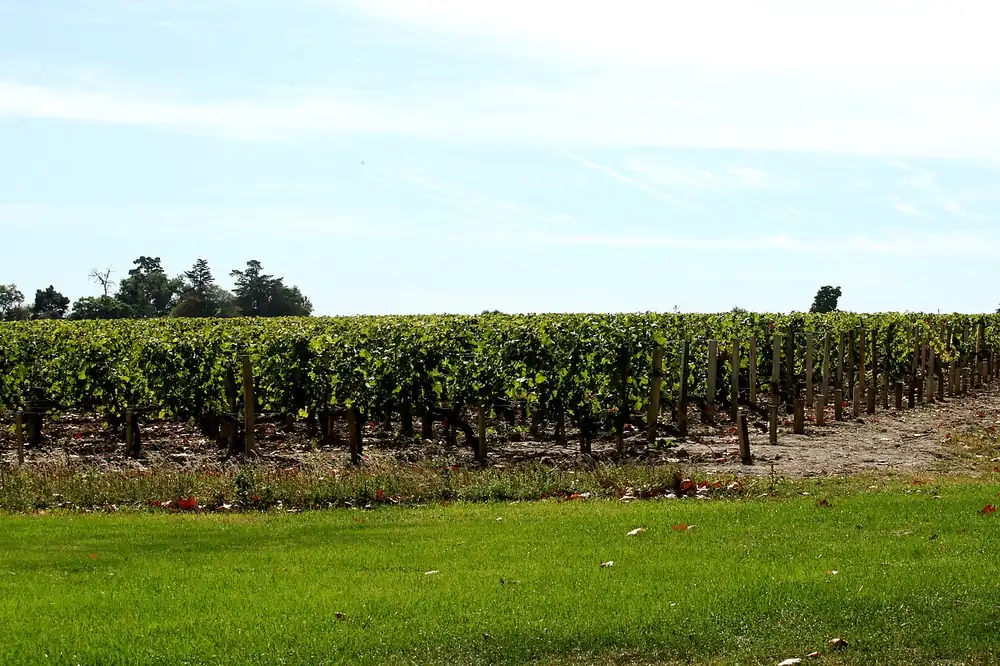
Estate names mean the wine was grown and made in one place.
Château names work the same way in Bordeaux, even when no castle stands on the land.
Merchant names mean something else: the wine was bought, blended, and bottled by a trader.
A Minute at the Table
Take one bottle from the carte: Crozes-Hermitage from Vidal Fleury, a Rhône red (1420 carte, 2014).
Appellation first: Crozes-Hermitage names the place, a hillside stretch of the northern Rhône.
Producer second: Vidal Fleury made it, and the vintage on the bottle dates the harvest.
Sixty seconds, four lines, one decision: the label has done its job.
Alcohol and volume close the read: the strength in percent, the size in centilitres.
Worked Examples From the 1420 Carte
The 1420 carte of 2014 listed red wines by region, and its structure still teaches the system better than any diagram.
Loire first, with three names on the list: Chinon from Domaine René Couly, Saumur Champigny from Les Chassoirs, Sancerre from Comte Lafond (1420 carte, 2014).
Bourgogne next: Mercurey from La Framboisière by Faiveley, and Nuit Saint Georges from Croix de Challand (1420 carte, 2014).
Savoie offered Mondeuse from Terre de Famille, and the Hautes-Alpes offered Domaine Petit Août, Cuvée Mémoire Neuve (1420 carte, 2014).
Rhône and Bordeaux closed the list: Crozes-Hermitage from Vidal Fleury, and Saint-Émilion Grand Cru from Château Carteau (1420 carte, 2014).
Beaujolais sat on the same list, with two crus named on it: Brouilly from Chapelle Venenge, Fleurie from Domaine des Marrans (1420 carte, 2014).
Foreign bottles closed the page: Lacryma Christi from Italy, Banrock Station from Australia, Rioja Crianza from Spain (1420 carte, 2014).
Eleven regions filled that red list, and each one named its producers instead of hiding them (1420 carte, 2014).
Sancerre shows the Loire at its sharpest: white wine from a hilltop village.
Notice what the carte leaves out: no prices appear in the 2014 capture, only names and producers (1420 carte, 2014).
When the Label Hides the Place
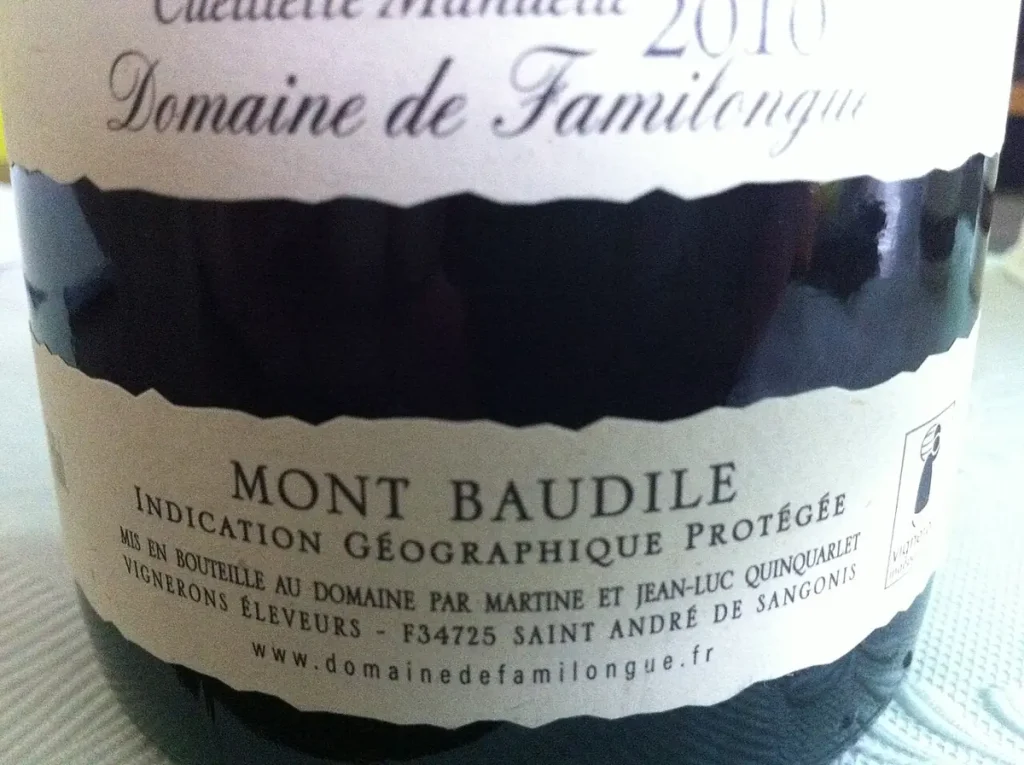
Some bottles hide the place on purpose: Vin de France names no village, no slope, no estate.
That is the base tier’s bargain: freedom for the maker, less information for the buyer.
Three Mistakes the Label Invites
First mistake: reading the brand name as the place.
Big names on the front can belong to merchants who buy grapes from many places.
Second mistake: trusting the artwork over the appellation line.
Gold foil and old crests cost little to print; the appellation line costs a producer a rulebook.
Third mistake: reading the vintage as a quality score.
Great years differ by region: a fine Bordeaux vintage can sit beside an ordinary Loire one.
Judge the year by the region, not by the number alone.
Trust the appellation line over the price tag: the line is law, the price is fashion.
Place, maker, artwork — in that order: the sequence saves more money than any review.
Reading the Label at Le 1420
For the valley shelf behind these labels, the guide to wine in Serre Chevalier sets the regions above beside the bar that served them.
When the label is read and a red is wanted, Choosing a Red Wine for a Mountain Evening takes the next step.
Reds dominate the old carte, and the guide to choosing one starts with the same four lines.
Read the place first, the maker second, and the artwork last: that order never changes, whatever the bottle costs.
One minute, four lines, and the bottle is read: that is all a French label asks.
Frequently Asked Questions
What does AOC mean on a wine label?
Controlled place name: the INAO grants it to wine made under local rules (INAO, 2026).
Only wine may print AOC today; other products print AOP (INAO, 2026).
Is AOP the same as AOC?
Almost. AOP is the European sign and AOC its French national step, for the same protection (INAO, 2026).
French bottles may print either set of letters.
What is a millésime?
Vintage in French: the year the grapes were picked, printed on the label as a four-digit year.
Vintage years differ by region: a good year in one place can be poor in another.
Does a higher price mean a better wine?
Price follows rarity and fashion as much as quality, and the label never grades taste.
Which line should I read first on any French label?
Appellation first: the place name tells you more than the brand, the artwork, or the price.
Brand and artwork come last, every time.
Methodology
Facts here come from the INAO, the archived 1420 carte of 2014, and the reference works listed below.
Region names and producers come from the carte exactly as printed; no price appears in that capture.
No bottle was bought or tasted for this article. Nothing here recommends a purchase.
Label rules were checked against the INAO’s own AOP pages on 22 November 2026.
An AI-assisted first draft was checked by hand against every source in References.